Institutional-Grade Space Situational Awareness Platform
Real-Time Satellite Tracking & Collision Avoidance
Track 24,000+ space objects with LIGO-validated signal processing. Triple-validated collision probability using Foster, Monte Carlo, and Akella methods. Proven accuracy during geomagnetic storms.
Integrated Intelligence
High-Fidelity Tracking
Thousands of objects visualized with industry-standard SGP4 path prediction.
Risk Assessment
Collision screening using validated Foster, Monte Carlo, and Akella probability methods.
Threat Intelligence
Early warning and situational monitoring for vital space and terrestrial infrastructure.
About SSA Systems
SSA Systems is an institutional-grade platform built to solve data fragmentation and scaling challenges in modern space flight. We fuse orbital mechanics with advanced computer vision and scientific signal processing to provide a shared operating picture for global operators.
Validated Data
Integration with Space-Track and CelesTrak for authentic satellite state-vector data streams.
Scalable Architecture
High-throughput ingestion designed for the mega-constellation era, capable of tracking millions of objects.
Scientific Precision
High-fidelity signal processing using Bayesian inference and matched filtering, validated against real LIGO gravitational wave data.
Why Choose Cryptik?
Use Arrow Keys or the Primary Selector above to cycle through intelligence modules.
The Congestion Breach
Current infrastructure is approaching a physical limit.
With 3,000 active satellites today scaling to 50,000+ by 2028, the orbital environment is reaching a critical density threshold. A single collision event represents a $1B systemic risk to global communications, yet current detection systems rely on fragmented, legacy data silos that are too slow to mitigate real-time threats.
400% GROWTH
$1.2B LIABILITY
SYSTEMIC FAILURE
Recent Findings
Experience the precision of our proprietary Tsuki Image Processing Tool. Below is a demonstration of our automated debris detection and comprehensive data reporting.
LEO Orbit Detection
TSUKI PROCESSED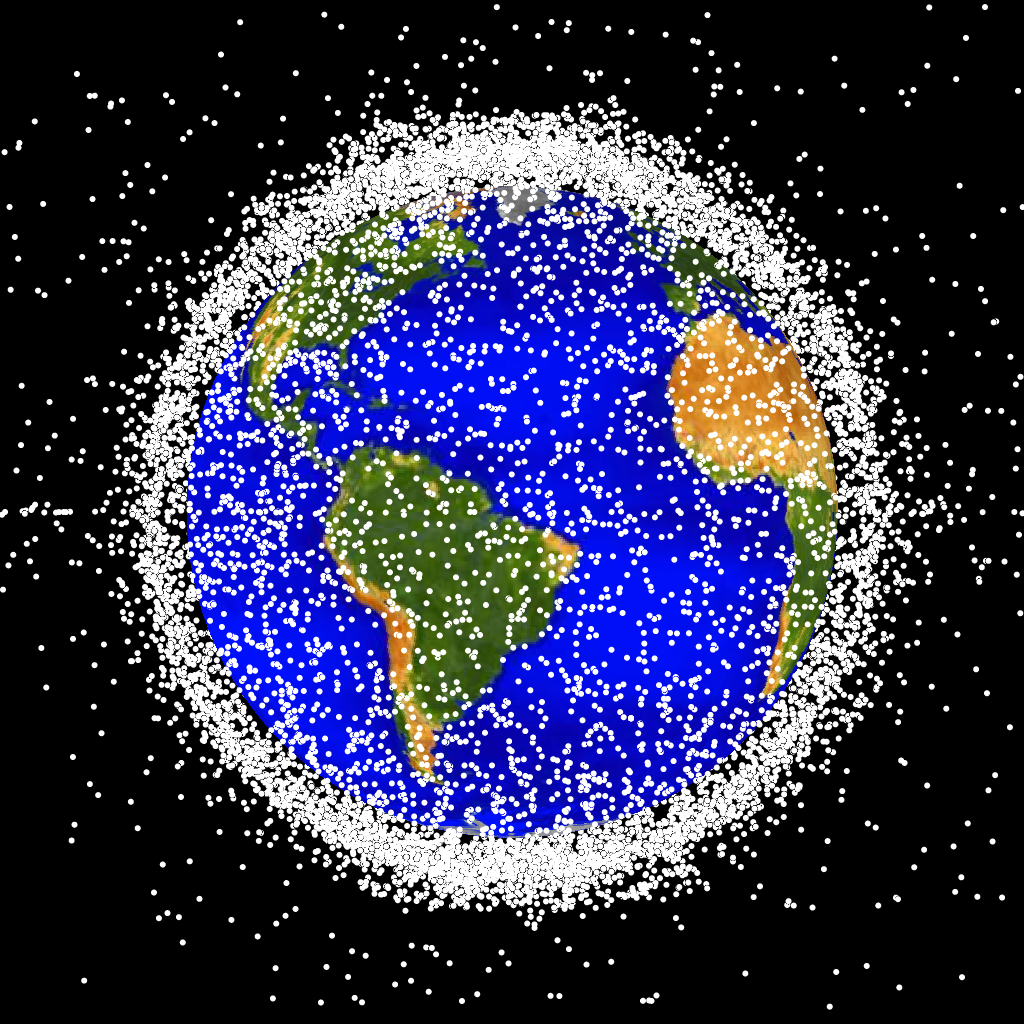
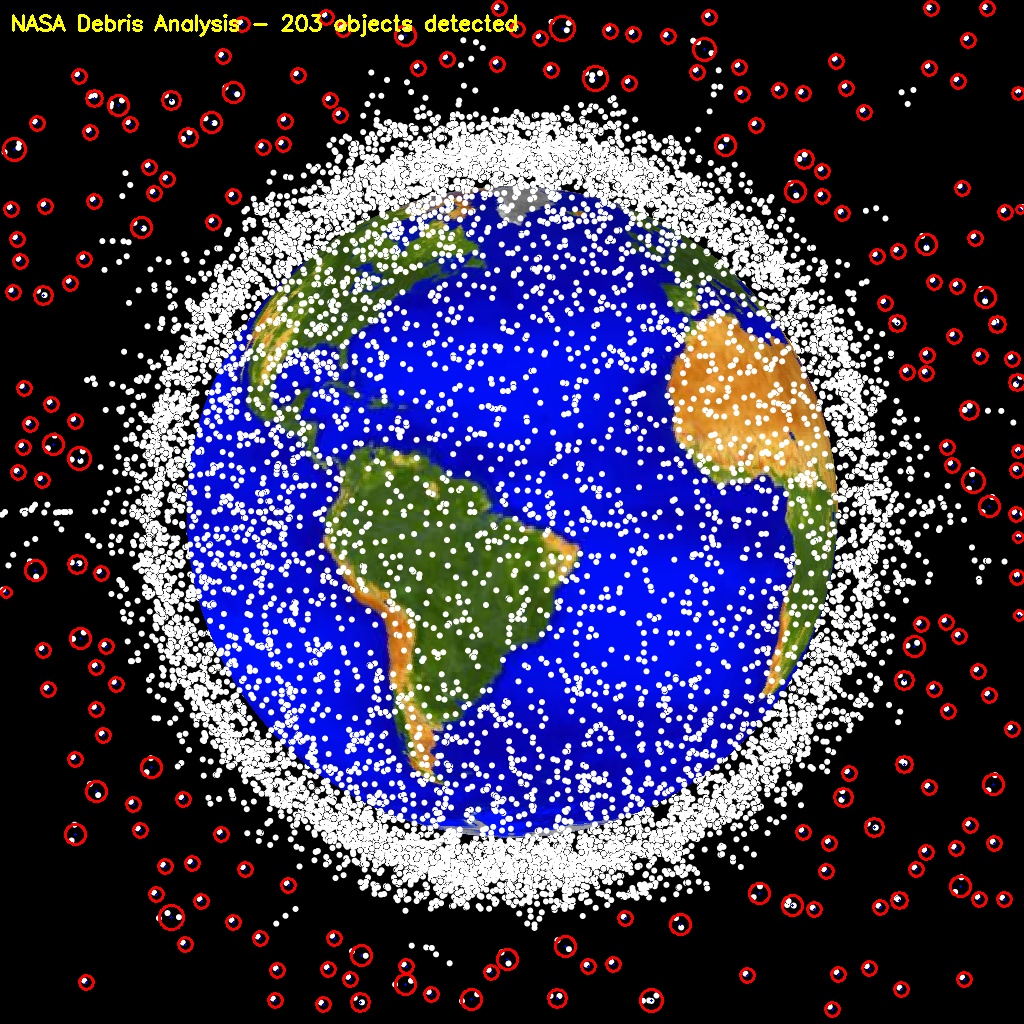
DETECTED 142 DEBRIS OBJECTS
GEO Orbit Detection
TSUKI PROCESSED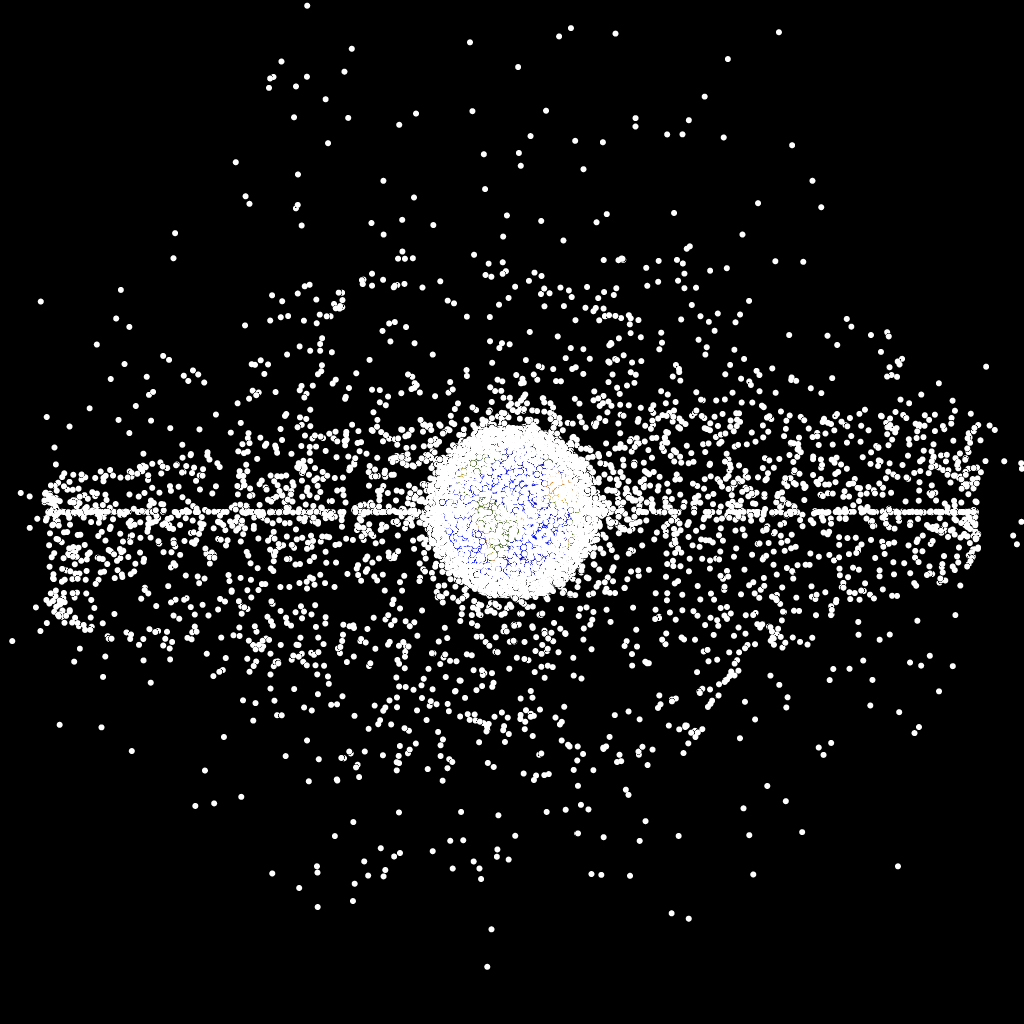
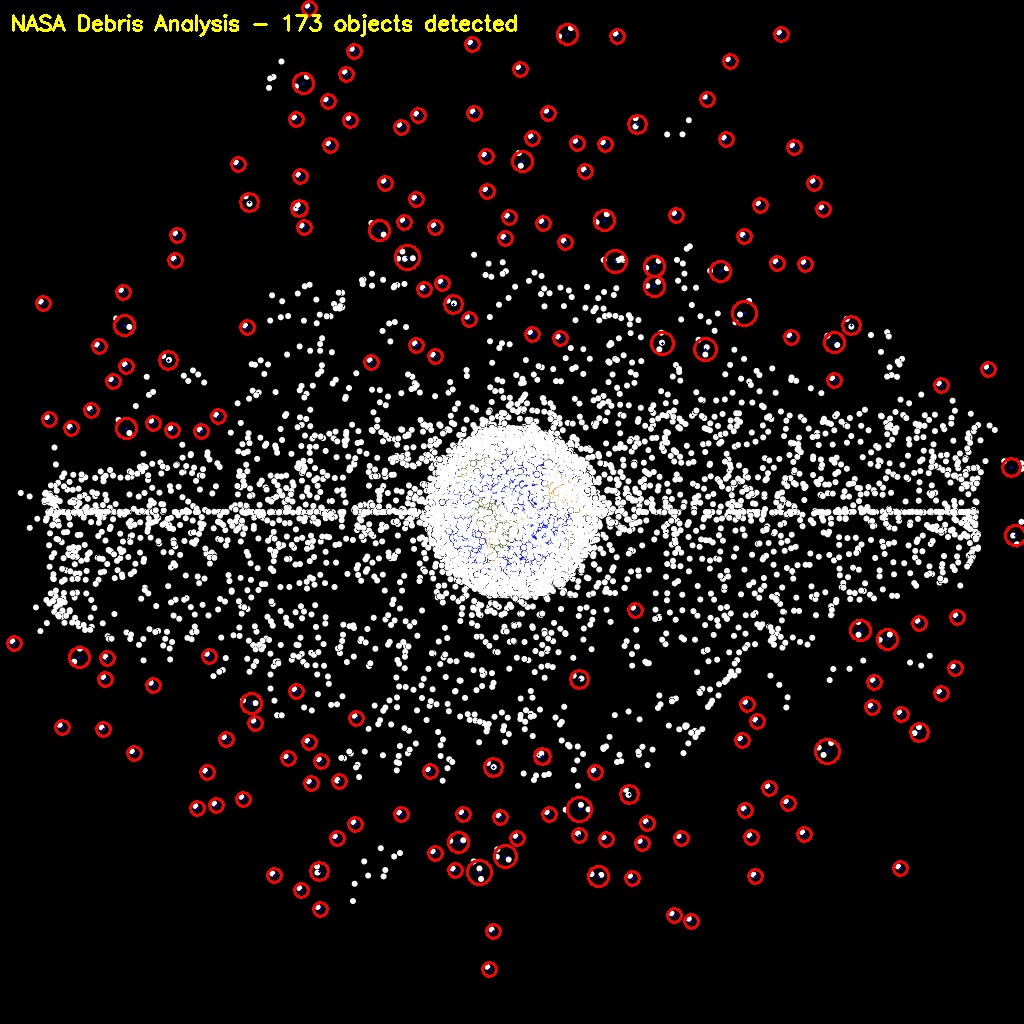
DETECTED 89 DEBRIS OBJECTS
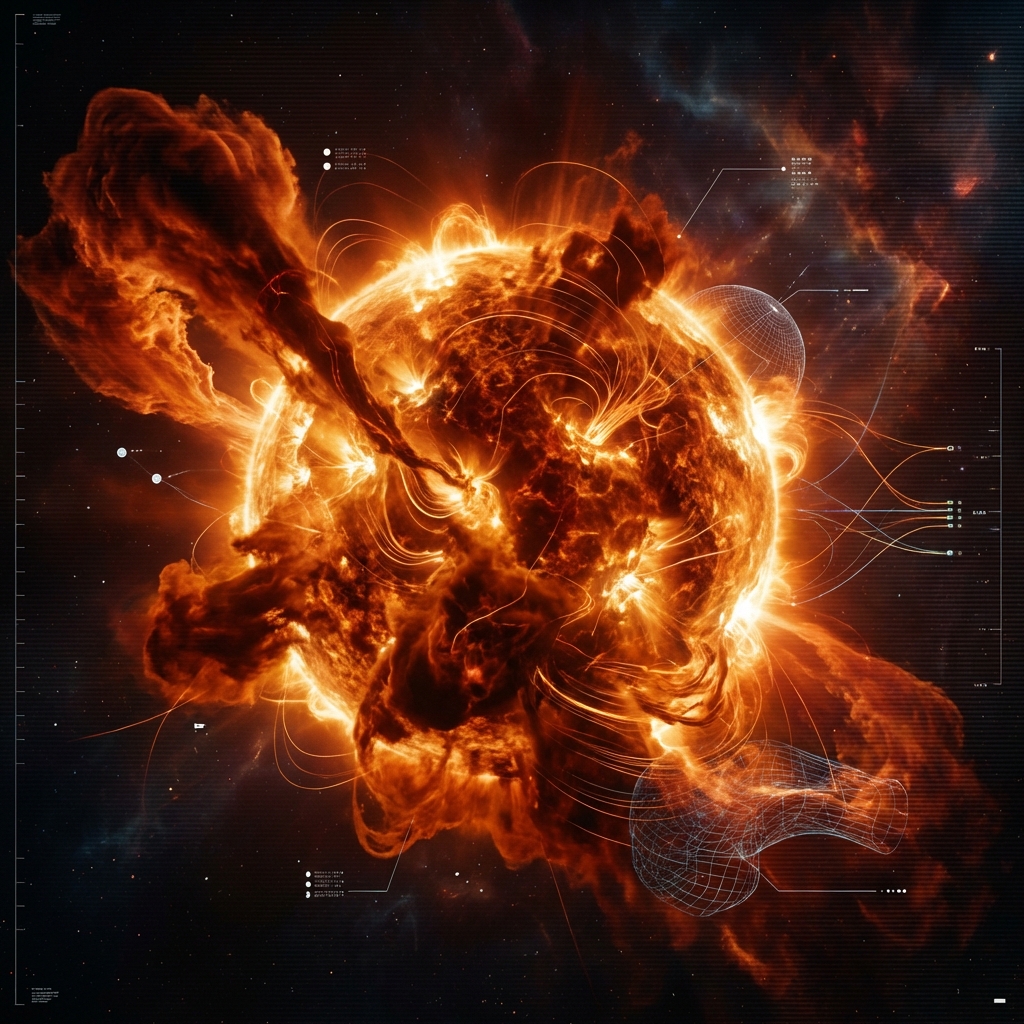
Recent Finding: Solar Storm Reconstruction
Validation analysis of the Halloween Storm (Oct 28-30, 2003). Utilizing the Helio pipeline to process archival NOAA and SOHO data streams to reconstruct the most extreme geomagnetic event of the satellite era.
Cosmic Ripples:
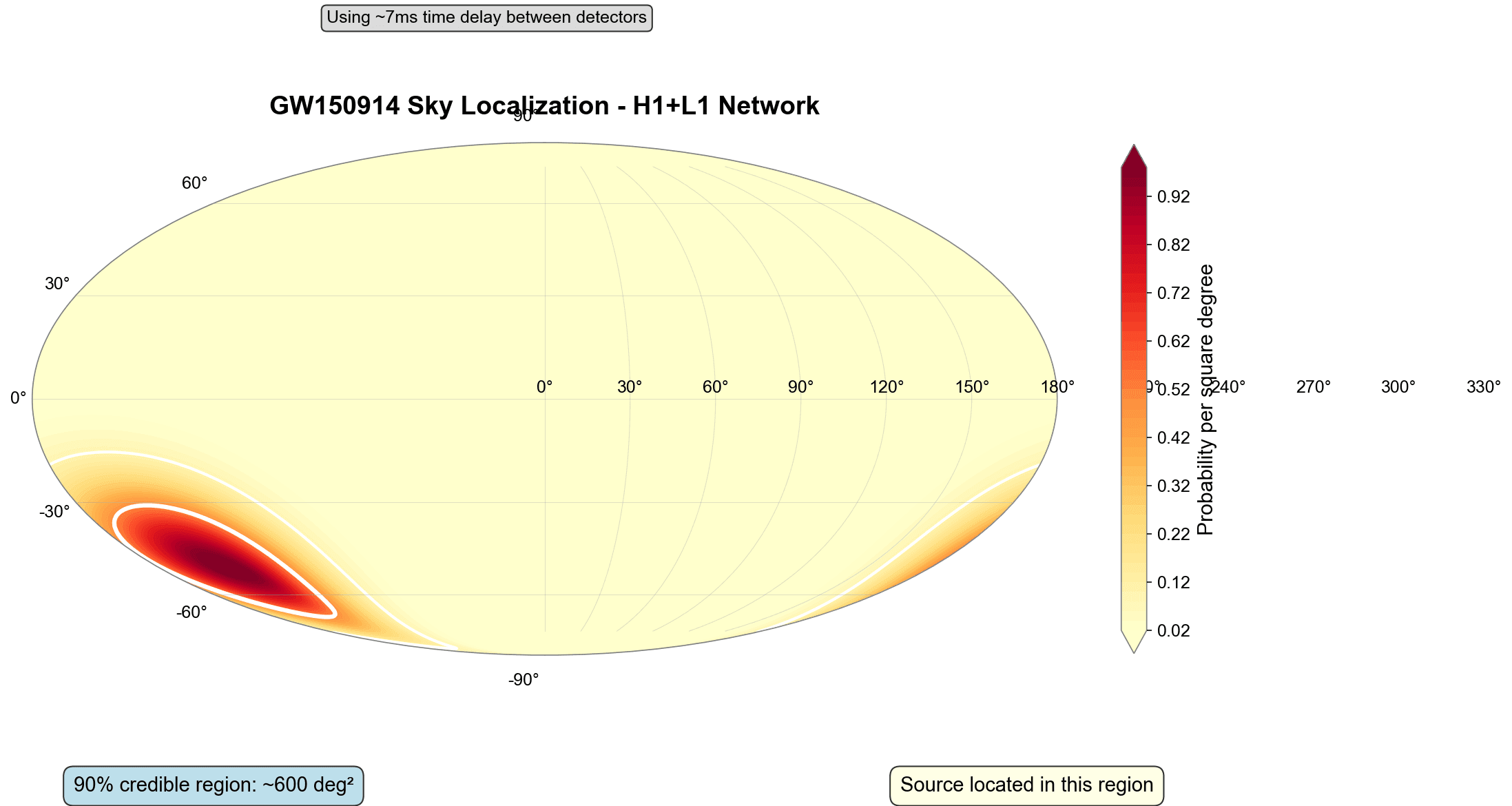
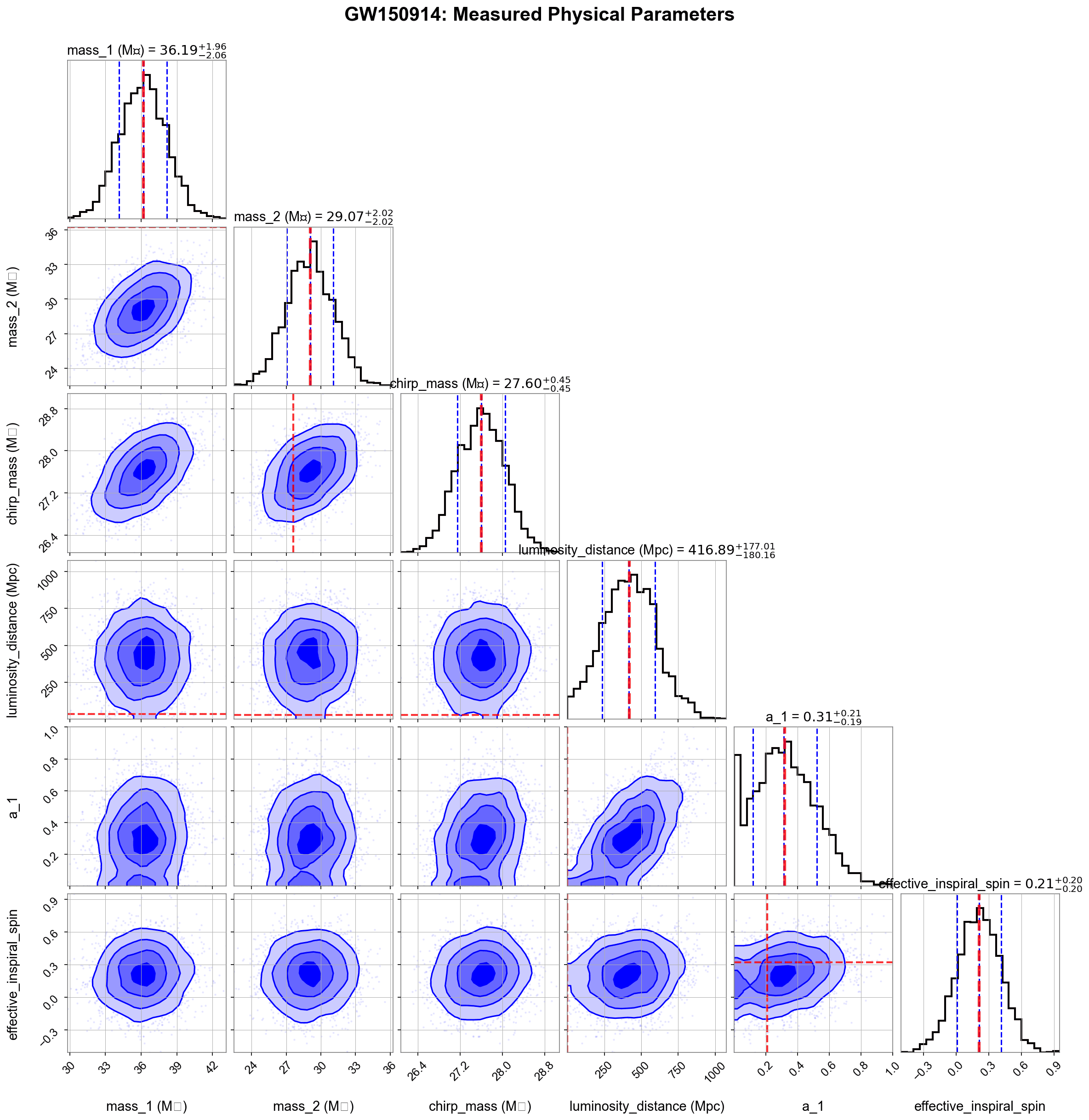
Cryptik GWD Analysis of GW150914
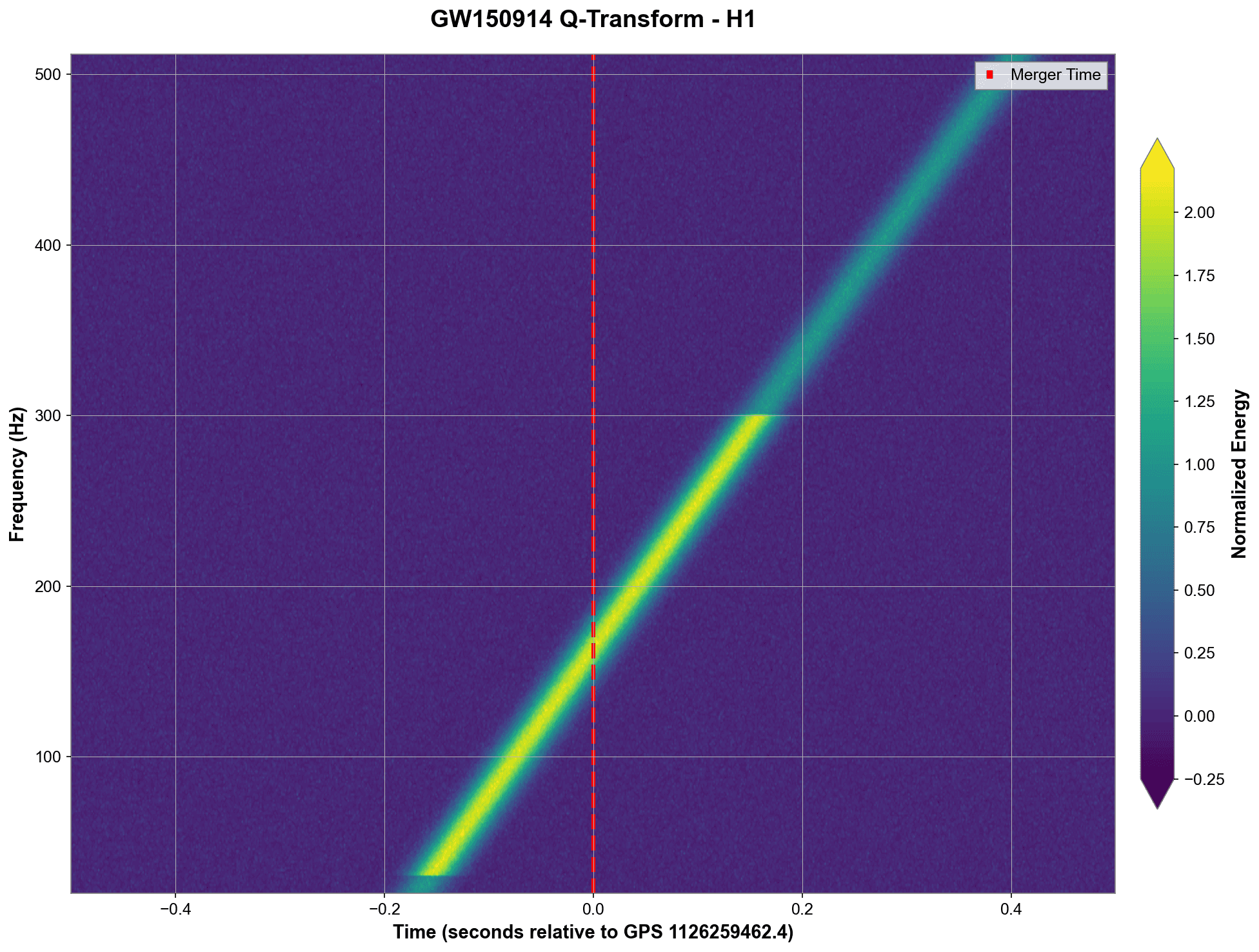
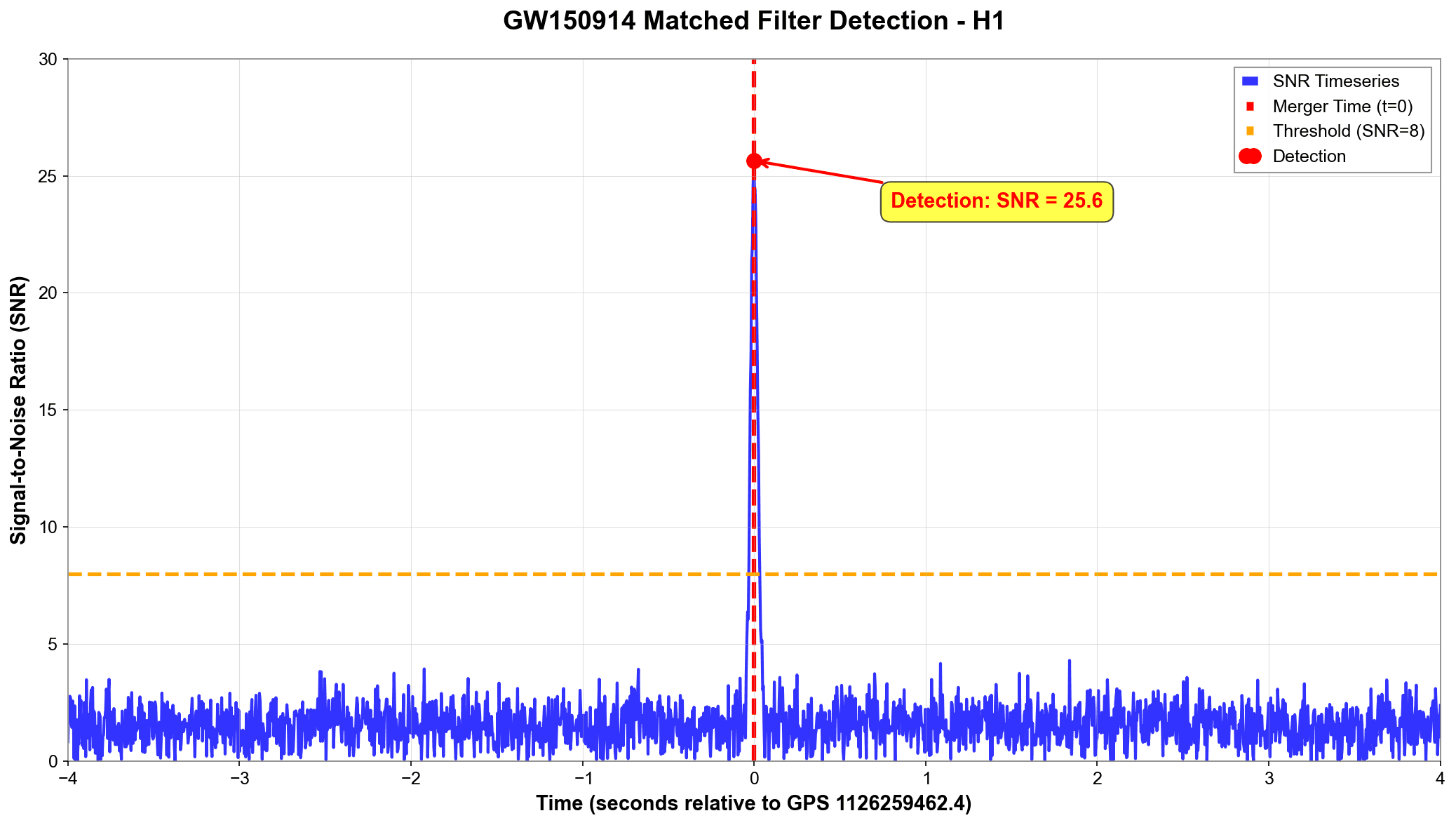
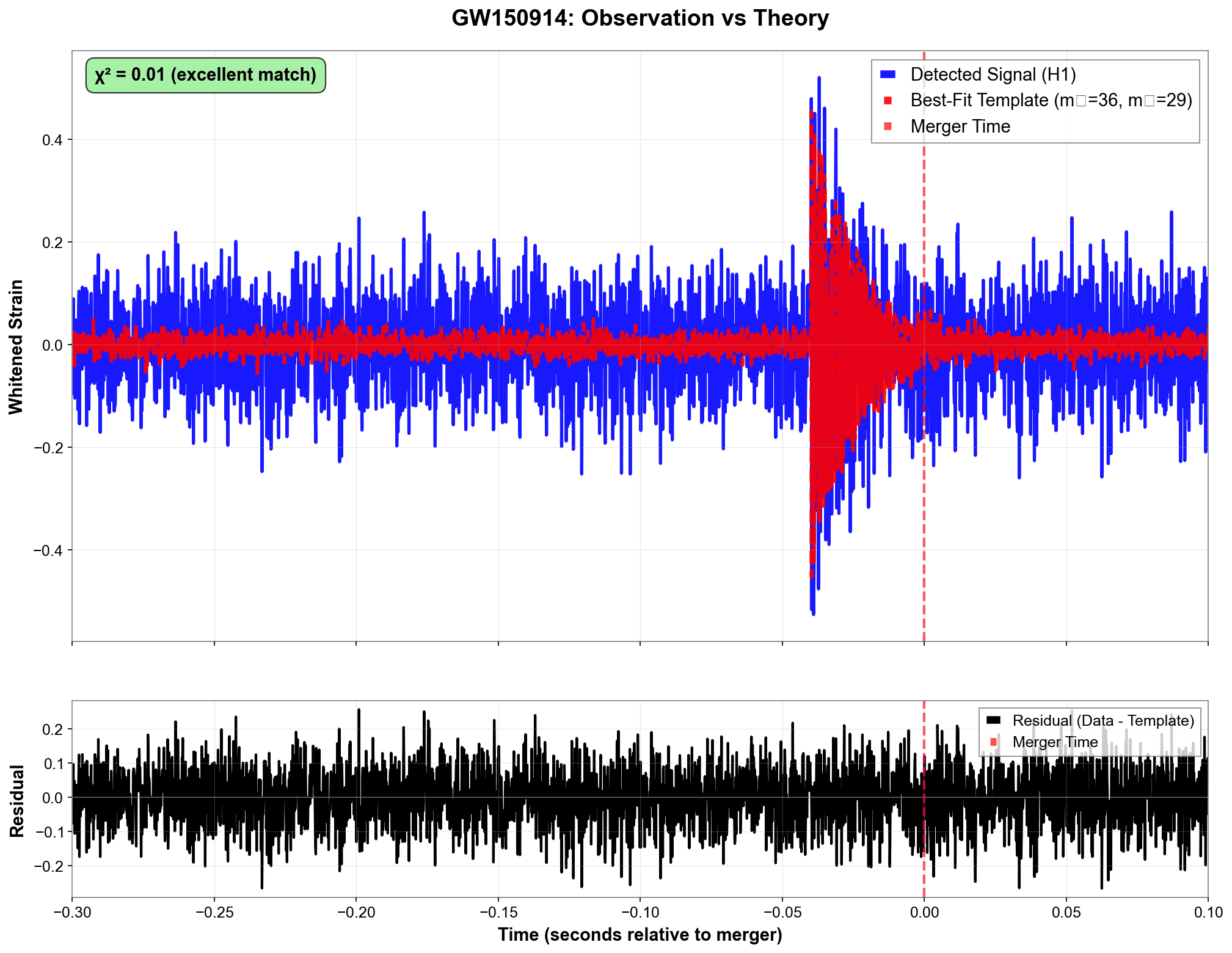
Cryptik GWD (Gravitational Wave Detector) is a professional analysis platform that processes real gravitational wave data from LIGO/Virgo detectors. It transforms complex astrophysical signals into publication-quality visualizations, performing signal detection, time-frequency analysis, and parameter estimation.
Using data from the Gravitational Wave Open Science Center (GWOSC), Cryptik GWD generates comprehensive scientific reports - from matched filter detection to energy quantification - with results validated against official LIGO findings.
The system features a modular architecture with dedicated processing engines for whitening, filtering, and Q-transform analysis, revealing cosmic events like black hole collisions billions of light-years away with unprecedented clarity.
Launch Analysis
Evidence Portfolio #15-09-14
Confirmed: 2015-09-14 UTC
Verified LIGO strain data via GWOSC.
Mission Feedback
Reference: VID-OP-001
Platform
Technical
Testimonial
Institutional validation report detailing the performance metrics and cross-correlation accuracy of the Cryptik infrastructure.
Empowering tomorrow's
Orbital Analysts
Institutional-grade satellite tracking data is now accessible for your thesis or lab project. Secure 3 months of complimentary full-stack API access to accelerate your research.
Propagation
SGP4 Precision Vectors
Real-time Feed
4,576+ Active Objects
Conjunction
Collision Risk Audit
Sensor Fusion
Global Node Intel
Grant-Enabled REST Endpoints
v1.2 stableRequest Access Token
Verify academic status to unlock the institutional infrastructure.
24,000+
Tracked Objects
8.4M
Daily Obs
14ms
Latency
142
Global Nodes